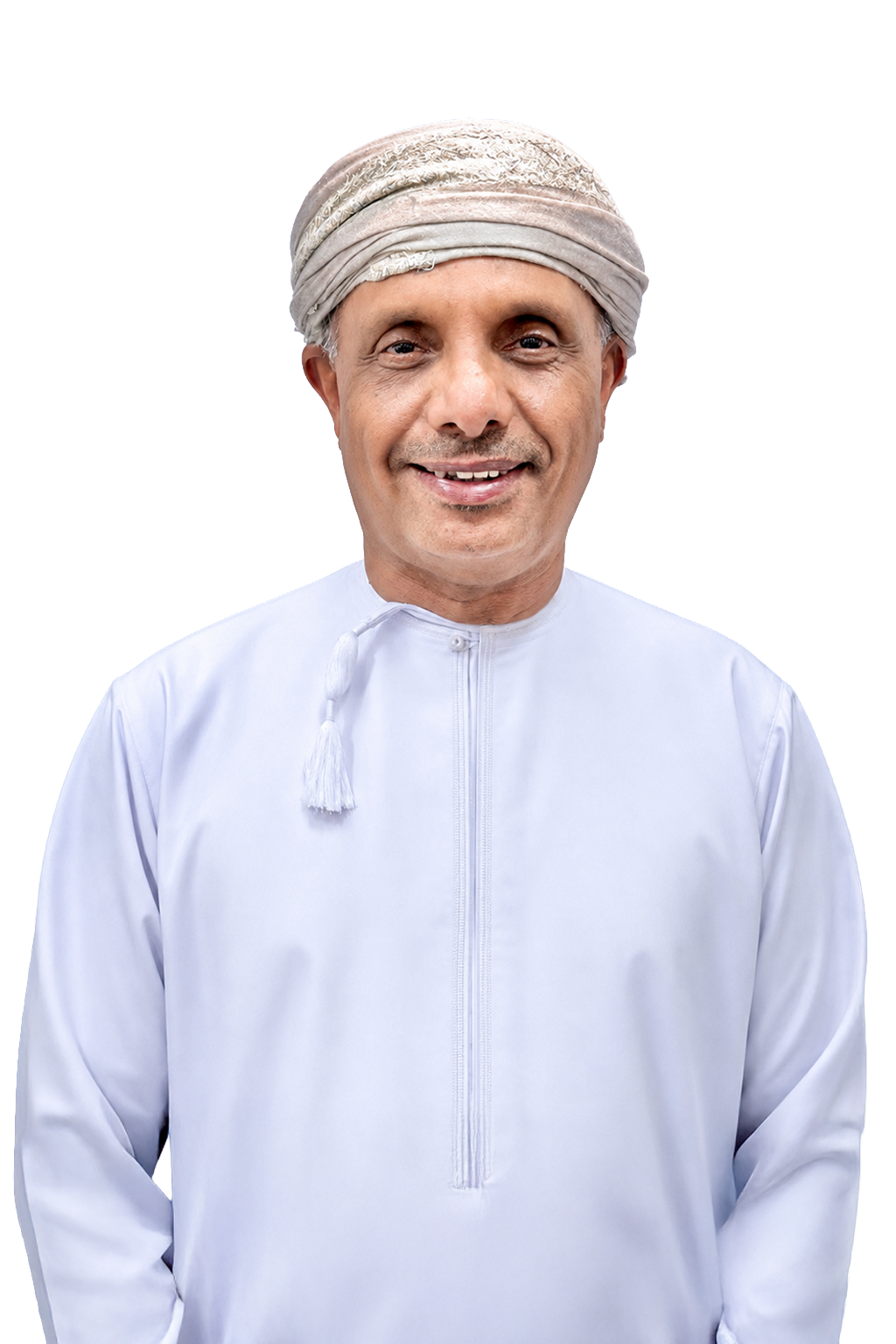
Dr. Mohamed Khamis Al Mukhaini
Senior Consultant – Interventional Cardiology
- MBBS
- FRCPC
- FACC
- ABIM
About Dr. Mohamed
Dr. Mohamed is a Senior Consultant in Interventional Cardiology at Muscat Private Hospital. He qualified in 1989 and has practised as a consultant cardiologist since 2001, holding board certification in cardiology in both Canada and the United States.
Dr. Mohamed graduated MBBS with distinction from the Arabian Gulf University in 1989, where he was awarded the gold medal, and completed his internship and early medical training at the Royal Hospital in Muscat. He then trained in Canada: internal medicine residency at McGill University from 1994, a cardiology fellowship at McGill from 1997, and a further year of interventional cardiology training at the Montreal Heart Institute in 2000–01. He is certified by the American Board of Internal Medicine, the Canadian Board of Internal Medicine, the Canadian and American Boards of Cardiology, and is a Fellow of both the Royal College of Physicians and Surgeons of Canada and the American College of Cardiology.
His clinical work spans complex coronary intervention and structural heart disease. Dr. Mohamed directed the Echocardiography and Non-Invasive Laboratory at the Royal Hospital from 2003 to 2015, and went on to lead the structural heart disease programme at the National Heart Center from 2015 to 2025 — the service through which transcatheter valve procedures are delivered in Oman. His procedural practice covers transcatheter aortic valve implantation, balloon valvuloplasty, primary angioplasty for heart attack including in cardiogenic shock, chronic total occlusions, bifurcation and left main disease, and complex high-risk indicated procedures for patients who are not candidates for open surgery.
Dr. Mohamed has published around sixty peer-reviewed papers in indexed journals and is a co-author of the Oman Heart Association's national guidelines on acute coronary syndromes, atrial fibrillation and hypertension. He has served as Senior Lecturer at the Faculty of Medicine, Sultan Qaboos University, as programme director for both the internal medicine training programme and the adult cardiology fellowship at the Oman Medical Specialty Board, and on the scientific committee of the Arab Board of Cardiology.
Areas of Expertise
Structural heart disease and valve intervention
Conditions Treated
Coronary artery disease
Angina and chest pain of cardiac origin
Heart attack and acute coronary syndromes (ACS)
Cardiogenic shock
Chronic total occlusion of a coronary artery (CTO)
Coronary bifurcation disease
Left main coronary artery disease
Aortic stenosis and other structural valve disease
Mitral and tricuspid valve disease
Prosthetic valve problems, including valve thrombosis
Heart failure and cardiomyopathy
Cardiac amyloidosis and infiltrative heart disease
High blood pressure
High cholesterol and lipid disorders
Cardiac complications of diabetes
Procedures & Services
Cardiology consultation and cardiovascular risk assessment
Diagnostic coronary angiography
Percutaneous coronary intervention (PCI)
Primary PCI for heart attack, including in cardiogenic shock
Complex coronary intervention
Complex high-risk indicated procedures (CHIP)
Rotational atherectomy (rotablation) and intravascular lithotripsy (IVL) for heavily calcified arteries
Intravascular imaging
Intravascular ultrasound (IVUS) and optical coherence tomography (OCT)
Physiological assessment of coronary narrowings (FFR and iFR)
Transcatheter aortic valve implantation (TAVI)
Balloon aortic valvuloplasty
Echocardiography
Transthoracic, transoesophageal and dobutamine stress
Critical care cardiology and cardiovascular haemodynamic assessment
Professional Experience
Senior Consultant, Interventional Cardiology
Muscat Private Hospital, Muscat
Senior Consultant Cardiologist
Royal Hospital, Muscat, since 2001
Director, Structural Heart Disease Programme
National Heart Center, Muscat, 2015–2025
Director, Echocardiography and Non-Invasive Laboratory
Royal Hospital, Muscat, 2003–2015
Medical Registrar and Medical Officer, Internal Medicine
Royal Hospital, Muscat, 1991–1994
Education & Training
BSc, Medical Science
1986
MBBS with distinction (gold medallist)
Arabian Gulf University, 1989
Internship
Royal Hospital, Muscat, 1990–1991
Residency in Internal Medicine
McGill University, Montreal, Canada, 1994–1997
Fellowship in Cardiology
McGill University, Montreal, Canada, 1997–2000
Fellowship in Interventional Cardiology
Montreal Heart Institute, Canada, 2000–2001
Board Certification and Fellowships
American Board of Internal Medicine
1997
Canadian Board of Internal Medicine
1998
Fellow of the Royal College of Physicians and Surgeons of Canada, FRCPC
1998
Canadian Board of Cardiology
2000
American Board of Cardiology
2000
Fellow of the American College of Cardiology, FACC
2004
Frequently Asked Questions
Book Your Consultation with
Dr. Mohamed in Muscat
Book your consultation with Dr. Mohamed in Muscat, Oman. Our team is here to help you arrange the right appointment.
Prefer to speak with us? Call Dr. Mohamed and our team will assist with appointment availability and insurance enquiries.