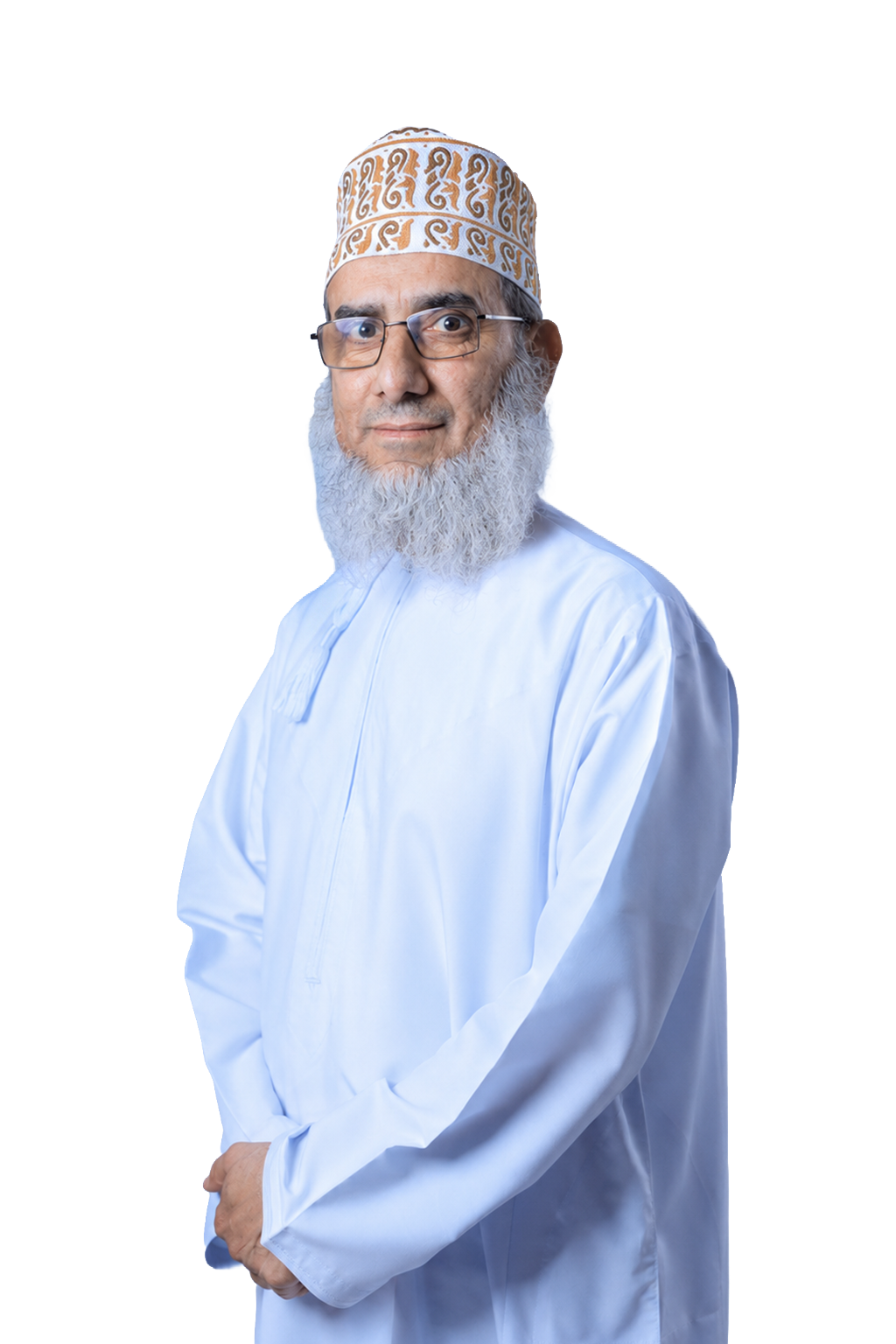
Dr. Salim Al Maskari
Senior Consultant – Paediatric Interventional Cardiology
- MBBS
- DCH
- MRCPI
- FRCPCH
About Dr. Salim
Dr. Salim is a Senior Consultant in Paediatric Interventional Cardiology at Muscat Private Hospital, with more than 21 years in the diagnosis and treatment of heart conditions that children are born with or develop in childhood.
Dr. Salim helped build paediatric cardiology in Oman, establishing a comprehensive service and introducing catheter-based treatment of structural heart defects in children procedures that in many cases avoid or postpone open-heart surgery. His practice runs from fetal life through to adulthood, and he continues to look after adults born with heart defects, a group who need lifelong specialist follow-up and who often lose track of it after childhood.
He works across both diagnosis and treatment: echocardiography, including fetal and transoesophageal studies, electrocardiography and cardiac CT on the diagnostic side, and diagnostic and interventional cardiac catheterisation on the other. His experience covers straightforward defects and complex ones, and he works closely with cardiac surgeons in deciding which route is right for a particular child.
Dr. Salim is President of the Oman Heart Association and a board member of the Gulf Heart Association. He has been Director of the National Heart Center since 2015, previously led the Child Health Department at the Royal Hospital for five years, and sat on the Paediatric Scientific Committee of the Oman Medical Specialty Board from 2006 to 2021. He has lectured on congenital heart disease at national and international conferences and published in peer-reviewed journals.
With families, Dr. Salim sets out the diagnosis and the plan in plain terms, including what will happen at each stage and what the alternatives are a diagnosis of a heart defect in a child is frightening, and parents make better decisions when they understand it.
Areas of Expertise
Congenital heart disease in children and adults
Catheter intervention for structural heart disease
Conditions Treated
Congenital heart disease
Atrial septal defect (ASD) and patent foramen ovale (PFO)
Ventricular septal defect (VSD)
Patent ductus arteriosus (PDA)
Pulmonary valve stenosis and aortic valve stenosis
Coarctation of the aorta
Tetralogy of Fallot and other complex congenital defects
Adult congenital heart disease (ACHD)
Follow-up of defects diagnosed in childhood
Acquired heart disease in children
Kawasaki disease and its cardiac complications
Rheumatic heart disease
Myocarditis and cardiomyopathy
Infective endocarditis
Pulmonary hypertension in children
Symptoms and referrals
Heart murmur found in a child
Palpitations and irregular heartbeat in children
Fainting, blackouts and chest pain in children
Breathlessness or poor feeding and weight gain in infants
Blue spells or cyanosis in a baby
Suspected fetal heart abnormality on antenatal scan
Family history of congenital heart disease
Procedures & Services
Diagnosis
Paediatric cardiology consultation and assessment
Transthoracic echocardiography in children and adults
Fetal echocardiography
Transoesophageal echocardiography
Electrocardiography (ECG) and ambulatory rhythm monitoring
Cardiac CT
Diagnostic cardiac catheterisation
Catheter intervention
Device closure of atrial septal defect and patent foramen ovale
Device closure of patent ductus arteriosus
Device closure of selected ventricular septal defects
Balloon valvuloplasty for pulmonary and aortic valve stenosis
Balloon angioplasty and stenting for coarctation of the aorta
Balloon atrial septostomy in the newborn
Advanced catheter intervention for structural heart disease in children
Ongoing care
Long-term follow-up of congenital heart disease from infancy to adulthood
Pre-operative assessment and joint planning with cardiac surgery
Family counselling and explanation of diagnosis and treatment options
Professional Experience
Senior Consultant, Paediatric Interventional Cardiology
Muscat Private Hospital, Muscat
Director
National Heart Center, Muscat, since 2015
Former Head, Child Health Department
Royal Hospital, Muscat (five years)
Education & Training
MBBS
Diploma in Child Health (DCH)
Glasgow
Membership of the Royal College of Physicians of Ireland (MRCPI)
Fellowship of the Royal College of Paediatrics and Child Health (FRCPCH)
Frequently Asked Questions
Book Your Consultation with
Dr. Salim in Muscat
Book your consultation with Dr. Salim in Muscat, Oman. Our team is here to help you arrange the right appointment.
Prefer to speak with us? Call Dr. Salim and our team will assist with appointment availability and insurance enquiries.